
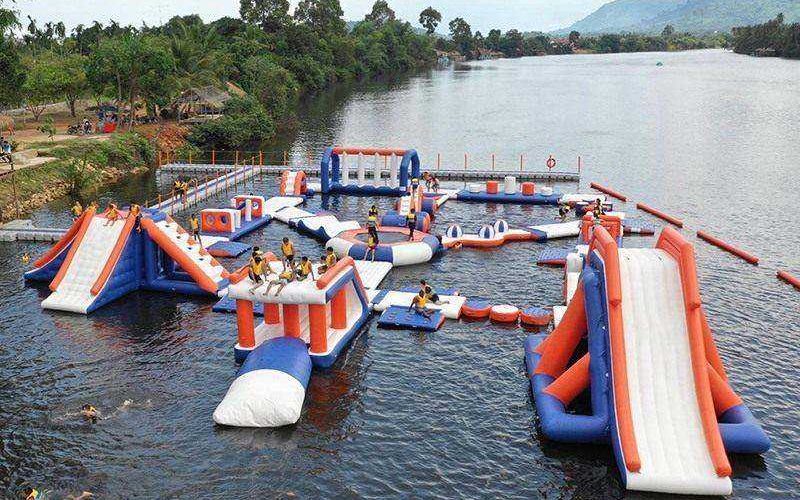
Safety is one of the first questions almost every buyer asks before investing in a commercial inflatable water park. Whether you’re planning a new attraction for a campground, resort, waterfront, or municipal recreation area, understanding how these parks are designed and operated safely is essential.
The simple answer is yes—commercial inflatable water parks are safe when they are properly designed, installed, maintained, and supervised.
However, safety is never determined by the inflatable equipment alone. It is the result of good engineering, appropriate site selection, reliable anchoring, regular inspections, and responsible daily operation. Even the highest-quality equipment cannot compensate for poor planning or improper management.
In this guide, we’ll explain the key factors that determine the safety of a commercial inflatable water park and what every buyer should know before making a purchasing decision.
Safety Starts Long Before the Park Opens
Many first-time buyers assume that safety depends mainly on the quality of the inflatable products.
In reality, experienced manufacturers know that safety begins much earlier—during the planning stage.
Before production even starts, several important questions need to be answered:
- Where will the park be installed?
- Is it freshwater or seawater?
- What is the average water depth?
- How many visitors are expected each day?
- What age groups will use the park?
- Will the layout be expanded in the future?
These answers influence everything from module selection to anchoring design and visitor flow.
One of the most common planning mistakes is focusing entirely on the appearance of the park while overlooking the operating environment. A well-planned layout almost always performs more safely than a larger park designed without considering local site conditions.
Commercial-Grade Equipment Is Built with Safety in Mind
Commercial inflatable water parks are very different from recreational inflatables designed for occasional private use.
Equipment intended for commercial operation is engineered to withstand continuous daily use throughout an operating season while providing a safe experience for hundreds of visitors.
Typical safety features include:
- Reinforced commercial-grade PVC material
- Multiple independent air chambers for added buoyancy
- Heat-welded and reinforced seams
- Soft inflatable impact surfaces
- Non-slip climbing areas
- High-visibility colors that improve supervision
- Secure connection systems between modules
These features work together to improve durability while reducing the likelihood of injuries during normal operation.
The Installation Site Matters More Than Most Buyers Realize
From our experience, the inflatable equipment itself is rarely the cause of safety concerns.
More often, problems arise because the installation site was not properly evaluated before the project began.
For example, a lake may appear ideal on satellite images but later reveal shallow areas, underwater vegetation, rocks, or uneven bottom conditions that reduce the usable installation space.
Before installing a commercial inflatable water park, operators should evaluate:
- Water depth
- Bottom conditions
- Water quality
- Wind exposure
- Seasonal water level changes
- Shore access
- Emergency access
- Available installation area
Investing time in a professional site assessment often prevents costly modifications after the equipment has already been manufactured.
A Proper Anchoring System Is Critical
If there is one component that should never be underestimated, it is the anchoring system.
Anchors do far more than simply keep the inflatables in place. They help maintain stability, control movement, and keep the entire layout functioning as designed.
The ideal anchoring solution depends on several factors, including:
- Park size
- Water depth
- Lake or ocean conditions
- Bottom surface
- Expected weather conditions
- Local regulations
Because every installation site is different, experienced manufacturers recommend anchoring systems based on the specific project rather than applying the same solution everywhere.
For commercial parks, the anchoring system should be considered part of the overall engineering—not an optional accessory.
Safe Operation Depends on Daily Management
Even a perfectly designed water park requires responsible daily operation.
Most safety incidents are not caused by equipment failure but by operational issues that can usually be prevented.
Examples include:
- Exceeding visitor capacity
- Mixing incompatible age groups
- Ignoring weather conditions
- Poor supervision
- Skipping routine inspections
Successful operators typically establish clear operating procedures before opening each day.
These include checking air pressure, inspecting anchor connections, monitoring weather forecasts, reviewing emergency equipment, and ensuring staff understand daily operating procedures.
A consistent inspection routine often takes only a few minutes but can prevent much larger maintenance or safety issues later.
Common Misconceptions About Water Park Safety
Many concerns about inflatable water parks come from common misunderstandings rather than actual operational experience.
Bigger Parks Are More Dangerous
Not necessarily.
A well-designed large park with clear visitor flow and adequate supervision can often operate more safely than a smaller park that becomes overcrowded.
Good layout design is generally more important than the number of modules.
Once Installed, the Park Takes Care of Itself
Commercial inflatable water parks require continuous attention throughout the operating season.
Routine inspections, maintenance, and proper supervision are essential parts of daily operation.
Like any commercial recreational facility, safety depends on consistent management rather than a one-time installation.
Any Lake Is Suitable
This is another common misconception.
Every site has unique characteristics that affect installation and long-term operation.
Water depth, wind exposure, shoreline access, underwater conditions, and seasonal water level changes should all be evaluated before finalizing the park layout.
Choosing the Right Manufacturer Also Improves Safety
A reliable manufacturer contributes much more than producing inflatable equipment.
An experienced supplier should also help customers make informed decisions before production begins.
This typically includes:
- Reviewing the installation site
- Recommending suitable layouts
- Designing anchoring solutions
- Advising on module selection
- Providing installation guidance
- Offering maintenance recommendations
- Supporting future expansion plans
At 365Inflatable Canada, every commercial water park project begins with understanding the customer’s installation site, business goals, and expected visitor capacity. We work with campgrounds, resorts, waterfront recreation businesses, and tourism operators across Canada to develop layouts that match local site conditions and long-term operational needs. By considering these factors early in the planning process, we help customers build inflatable water parks that are safe, scalable, and designed for years of successful commercial use.
Questions Every Buyer Should Ask
Before purchasing a commercial inflatable water park, ask your supplier these questions:
- Is this equipment designed specifically for commercial operation?
- What anchoring system is recommended for my site?
- What water depth is required?
- How should the park be inspected each day?
- What maintenance is required during the season?
- Can additional modules be added in the future?
- What technical support is available after installation?
A professional manufacturer should provide answers based on your individual project rather than offering generic recommendations.
Final Thoughts
So, are commercial inflatable water parks safe?
The better question is not simply whether they are safe, but whether they are planned, installed, and operated correctly.
Modern commercial inflatable water parks combine durable engineering, high-quality materials, and carefully designed safety features. When supported by proper site selection, reliable anchoring, routine inspections, trained supervision, and responsible daily management, they provide a safe and enjoyable experience while delivering long-term value for operators.
Whether you’re developing a waterfront attraction in Ontario, expanding a campground in Alberta, or investing in a resort project in British Columbia, safety should always be considered from the very beginning. Working with an experienced manufacturer like 365Inflatable Canada helps ensure every stage—from layout planning and site evaluation to installation guidance and long-term operation—is built around proven commercial safety practices.
A safe commercial inflatable water park is never the result of a single feature or material. It is the outcome of thoughtful planning, quality manufacturing, responsible management, and a commitment to providing visitors with an enjoyable experience season after season.