
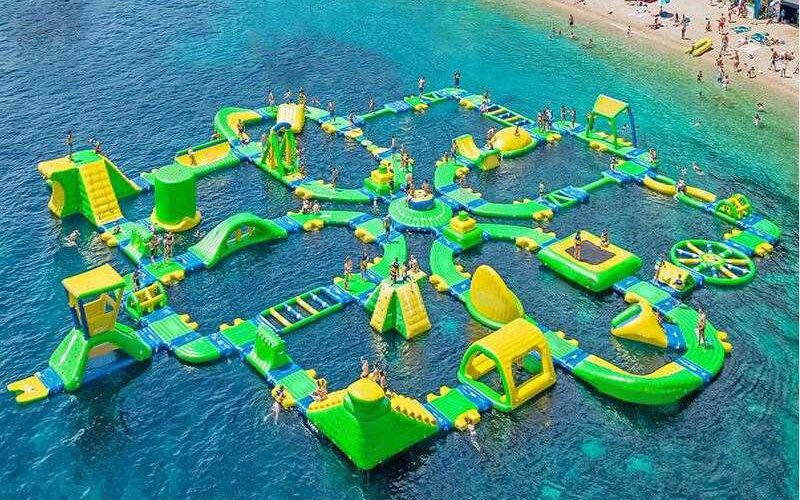
Operating a commercial inflatable water park requires more than providing an exciting attraction for visitors.
Behind every successful water park operation is a clear safety management system that protects guests, staff, and the long-term value of the business.
Whether the attraction is installed at a campground, resort, lake facility, or tourism destination, operators need practical safety procedures before opening, during operation, and after closing.
A proper safety checklist helps identify potential problems early, improve daily operations, and create a safer experience for every visitor.
Why Safety Management Matters for Commercial Inflatable Water Parks
Commercial inflatable water parks are designed for active visitor experiences.
Guests may:
- Climb
- Slide
- Jump
- Balance
- Move between different obstacles
Because of this, safety depends on more than the quality of the equipment itself.
Effective safety management requires attention to:
- Equipment condition
- Installation quality
- Visitor behavior
- Weather conditions
- Staff supervision
- Operating procedures
A well-managed attraction not only reduces risks but also improves customer confidence and visitor satisfaction.
Daily Commercial Inflatable Water Park Safety Checklist
Before opening the water park each day, operators should complete a basic safety inspection.
| Inspection Area | What to Check |
|---|---|
| Equipment Condition | Seams, surfaces, connection points, and visible damage |
| Inflation System | Air pressure, blower operation, and unusual air loss |
| Anchoring System | Anchor points, connections, and overall stability |
| Weather Conditions | Wind, storms, and changing outdoor conditions |
| Visitor Management | Capacity limits, safety rules, and supervision readiness |
| Water Environment | Water depth, access areas, and surrounding conditions |
A consistent inspection routine helps prevent small problems from becoming larger operational issues.
Equipment Condition Inspection
The inflatable structure should be checked before visitors enter.
Operators should inspect:
- Overall appearance
- Seams and stitching areas
- Connection points
- Climbing sections
- Slide surfaces
- Handles and attachment areas
Look for:
- Small cuts
- Loose stitching
- Unusual wear
- Damaged areas
Identifying issues early allows operators to arrange repairs before they affect daily operation.
Check Inflation and Air Pressure
Proper inflation is essential for safe operation.
Before opening, operators should confirm:
- The inflatable structure is fully inflated
- Blowers are working correctly
- Air pressure remains stable
- Air outlets are not blocked
Unexpected pressure loss should always be investigated before allowing visitors to use the attraction.
A stable inflation system helps maintain the intended performance and safety characteristics of the equipment.
Inspect Anchoring and Connection Systems
For water-based inflatable attractions, a reliable anchoring system is essential.
Daily checks should include:
- Anchor points
- Connection areas
- Attachment systems
- Movement caused by weather or water conditions
Operators should make sure the attraction remains properly positioned and stable throughout operation.
Monitor Weather and Water Conditions
Outdoor inflatable water parks are affected by environmental conditions.
Before and during operation, operators should monitor:
Weather Conditions
Pay attention to:
- Strong winds
- Storms
- Extreme weather
- Sudden changes in conditions
Clear procedures should be established for temporary closure when weather becomes unsuitable.
Water Conditions
The surrounding water environment should also be considered.
Important factors include:
- Water depth
- Water quality
- Waves or currents
- Shoreline conditions
- Access areas
Regular site checks help maintain a safer operating environment.
Manage Visitor Safety During Operation
Even high-quality equipment requires proper visitor management.
Operators should establish clear rules regarding:
Visitor Requirements
Guests should understand:
- Suitable age ranges
- Activity limitations
- Safe usage methods
Capacity Control
Overcrowding can reduce both safety and visitor enjoyment.
Operators should manage:
- Number of users on the attraction
- Waiting areas
- Visitor movement
The operating capacity should always follow the designed requirements of the attraction.
Safety Instructions Before Entry
Visitors should receive basic guidance before entering.
Instructions may include:
- How to use the equipment properly
- Areas requiring extra caution
- General safety rules
- Prohibited behaviors
Clear communication helps reduce unnecessary risks.
Staff Training and Supervision
Staff are one of the most important parts of daily safety management.
Operators should train employees on:
- Opening inspections
- Visitor supervision
- Emergency procedures
- Equipment rules
- Problem reporting
A trained team can identify potential issues faster and respond more effectively during operation.
Regular staff training also helps maintain consistent safety standards throughout the season.
End-of-Day Safety Procedures
Safety management continues after visitors leave.
After closing, operators should:
Inspect the Equipment
Check for:
- Damage during operation
- Loose connections
- Areas requiring attention
Clean the Attraction
Remove:
- Dirt
- Sand
- Debris
- Residue from the water environment
Proper cleaning helps maintain hygiene and equipment condition.
Record Issues
Keeping inspection records helps operators:
- Track equipment condition
- Plan maintenance
- Identify repeated problems
These records are especially valuable for seasonal businesses.
Safety Documents and Operating Procedures
Professional commercial operators should maintain clear safety documentation.
Useful documents may include:
- Installation instructions
- Operating manuals
- Daily inspection records
- Maintenance schedules
- Emergency procedures
Clear documentation helps create consistent operating standards and supports staff training.
How Equipment Quality Supports Safe Operation
Safety begins before the equipment arrives at the site.
When selecting a commercial inflatable water park, operators should consider:
- Material quality
- Manufacturing standards
- Design experience
- Installation guidance
- Long-term support
Equipment designed specifically for commercial operation provides a stronger foundation for safe and reliable use.
Common Safety Mistakes Operators Should Avoid
Some common mistakes include:
Skipping Daily Inspections
Small issues may become larger problems if they are not discovered early.
Ignoring Weather Changes
Outdoor conditions can change quickly, especially in open-water environments.
Overlooking Visitor Management
Proper supervision and capacity control are essential parts of safe operation.
Focusing Only on Equipment Cost
Safety, reliability, and long-term operation should always be considered together.
Final Thoughts
A successful commercial inflatable water park requires more than attractive equipment.
Safety depends on:
- Regular inspections
- Proper installation
- Staff training
- Visitor management
- Weather awareness
- Clear operating procedures
By following a structured safety checklist, operators can create a safer environment, improve visitor satisfaction, and build a more reliable long-term business.
A strong safety management system is one of the foundations of a successful inflatable water park operation.