
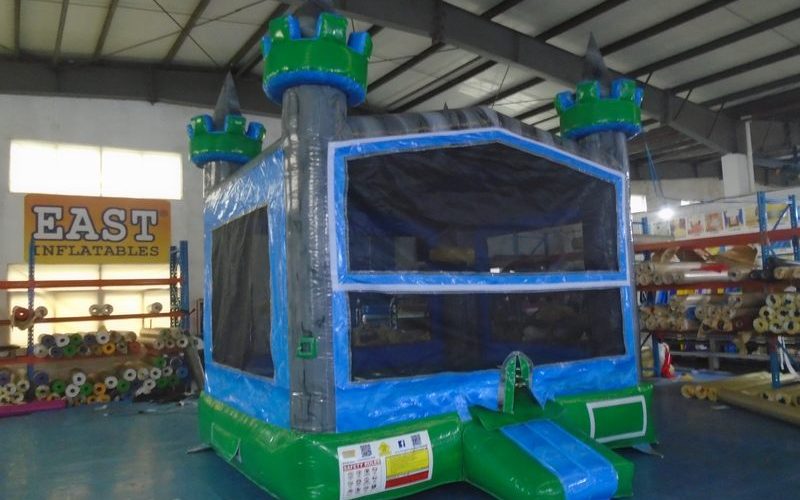
Bouncy castles have become a popular addition to backyard parties, birthdays, and family gatherings. They are a simple and fun way to keep children active and entertained.
However, while they look safe and easy to use, not all inflatables are designed with the same level of safety.
Outdoor setups can vary depending on ground conditions, weather, and how the equipment is installed. Without the right safety features, even a small backyard setup can present risks.
So, are bouncy castles safe for backyard use?
Yes—but only when they are designed and set up correctly.
1. Strong Materials and Reinforced Seams
The safety of a bouncy castle starts with how it is made.
Lower-quality inflatables often use thin materials and basic stitching. This can lead to air leaks, weakened structure, or damage during use—especially when several children are playing at once.
High-quality bouncy castles are made from commercial-grade PVC with reinforced seams. Key areas such as jumping zones, entrances, and slide sections are strengthened with double or triple stitching.
This helps the inflatable:
- Keep its shape during use
- Maintain stable air pressure
- Handle continuous activity without weakening
For backyard parties, strong construction is essential to ensure both safety and reliability.
2. Enclosed Netting for Safer Play
Enclosed netting is an important safety feature in modern bouncy castles.
Children tend to move quickly and unpredictably while playing. Without proper enclosure, there is a higher risk of falling out or climbing into unsafe areas.
Most quality bouncy castles include mesh netting around open sides. This provides:
- A secure boundary that keeps children inside
- Clear visibility for supervision
- Good airflow to support the structure
Well-designed netting also uses smaller mesh openings to help prevent fingers from getting caught.
For backyard use, enclosed netting helps create a safer and more controlled play environment.
3. Proper Anchoring for Outdoor Setup
No matter how well a bouncy castle is built, it must be properly secured.
Outdoor conditions can change quickly. Even light wind or uneven ground can affect stability. Without proper anchoring, the inflatable may shift or tilt during use.
A safe setup should include:
- Multiple anchor points
- Ground stakes or weighted sandbags
- Even tension across all sides
Proper anchoring keeps the inflatable stable and reduces movement during active play.
This is one of the most important steps in ensuring a safe backyard setup.
Bonus: A Reliable Blower Makes a Difference
A bouncy castle relies on constant airflow to stay inflated.
If the blower is not suitable or stops working, the structure can quickly lose pressure and become unsafe.
A good blower should:
- Run continuously during use
- Match the size of the inflatable
- Be placed away from play areas
Consistent airflow helps maintain shape, stability, and safety throughout the event.
Final Thoughts
Bouncy castles are a great way to add fun to any backyard party, but safety should always come first.
By focusing on three key features—strong materials, enclosed netting, and proper anchoring—you can create a safer environment for children and reduce the risk of accidents.
Choosing well-made equipment and setting it up correctly will help ensure a smooth and enjoyable experience for everyone.
FAQ
Q1: Are bouncy castles safe for backyard use?
Yes, they are safe when properly installed, securely anchored, and made from durable materials.
Q2: Do bouncy castles need to be anchored?
Yes, anchoring is essential to keep the inflatable stable and prevent movement during use.
Q3: What material is best for a bouncy castle?
Commercial-grade PVC is widely used because it is strong, durable, and suitable for repeated use.
Q4: Is netting necessary on a bouncy castle?
Yes, netting helps prevent falls and allows for better supervision while children are playing.