
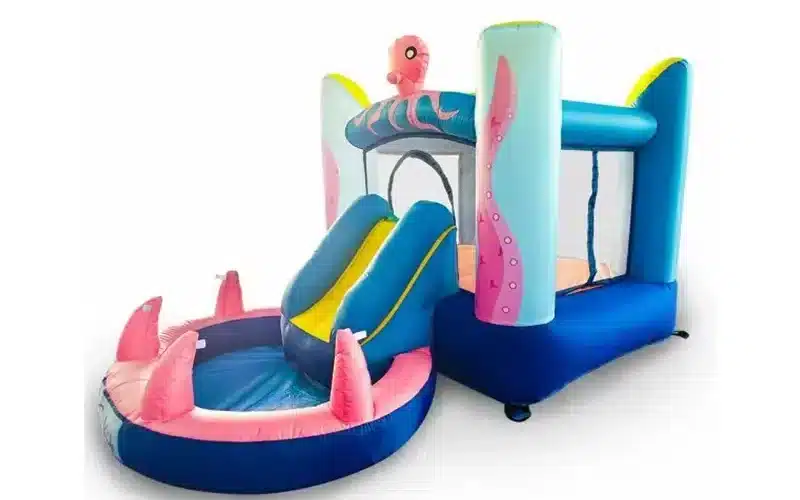
If you’re planning a backyard party or looking to invest in inflatable equipment, one of the most common questions is simple:
How much does a combo bouncy castle cost?
In Canada, prices can vary significantly depending on size, quality, and features. Understanding what affects the cost can help you make a better decision and avoid overpaying—or worse, buying something that doesn’t last.
Average Price of Combo Bouncy Castles in Canada
In general, a 3-in-1 combo bouncy castle in Canada falls within the following price ranges:
- Budget models: $400 – $900 CAD
- Mid-range units: $900 – $2,000 CAD
- Commercial-grade units: $2,000 – $5,000+ CAD
At first glance, these prices may seem similar, but the differences in quality and durability can be significant.
What Affects the Price?
1. Material Quality
One of the biggest price factors is the material used.
Lower-cost inflatables are often made from lightweight fabric, which is suitable for occasional use but may wear out quickly.
Higher-end combo bouncy castles are typically made from commercial-grade PVC. These materials are thicker, more durable, and designed for repeated use, making them more suitable for rental businesses or frequent events.
2. Size and Design Complexity
Larger inflatables with more features naturally cost more.
A basic combo unit may include a small slide and jumping area, while larger designs can feature:
- Dual slides
- Climbing walls
- Obstacle sections
The more complex the design, the higher the manufacturing cost—and the final price.
3. Intended Use (Home vs Commercial)
This is one of the most important differences.
- Home-use models are lighter and more affordable, but not designed for heavy use
- Commercial-grade inflatables are built for durability, safety, and long-term use
Many buyers in Canada start with a cheaper option, only to upgrade later when they realize it doesn’t meet their needs.
4. Included Accessories
Some combo bouncy castles come with complete setups, while others do not.
A full package may include:
- Blower
- Repair kit
- Anchoring stakes or sandbags
These extras can affect the total cost and should always be considered when comparing options.
5. Shipping and Delivery Costs
Because most inflatables are manufactured overseas, shipping plays a role in the final price.
In Canada, delivery costs can vary depending on:
- Distance from the port
- Size of the unit
- Shipping method (standard vs door-to-door)
Some suppliers include shipping in the price, while others list it separately.
Why Do Prices Vary So Much?
It’s common to see similar-looking combo bouncy castles sold at very different prices.
The reason is simple: not all inflatables are built the same.
Differences in stitching, material thickness, safety features, and overall construction can greatly affect both price and performance.
Many experienced buyers now focus less on the lowest price and more on long-term value—especially for repeated use or rental purposes.
Manufacturers such as East Inflatables have helped raise expectations in the market by offering more durable, commercial-grade options that balance cost with long-term reliability.
Is It Worth Paying More?
In many cases, yes.
A higher-quality combo bouncy castle may cost more upfront, but it typically:
- Lasts longer
- Requires fewer repairs
- Performs more reliably during use
For families who plan to use it regularly—or for businesses renting equipment—this often results in better value over time.
Final Thoughts
So, how much does a combo bouncy castle cost in Canada?
The answer depends on what you need. While budget options are available, many buyers find that investing in a higher-quality unit provides a better overall experience.
By understanding the key factors—materials, size, usage, and included features—you can choose a combo bouncy castle that fits both your budget and your expectations.
In the end, it’s not just about the price—it’s about getting the right balance between cost, quality, and long-term use.