
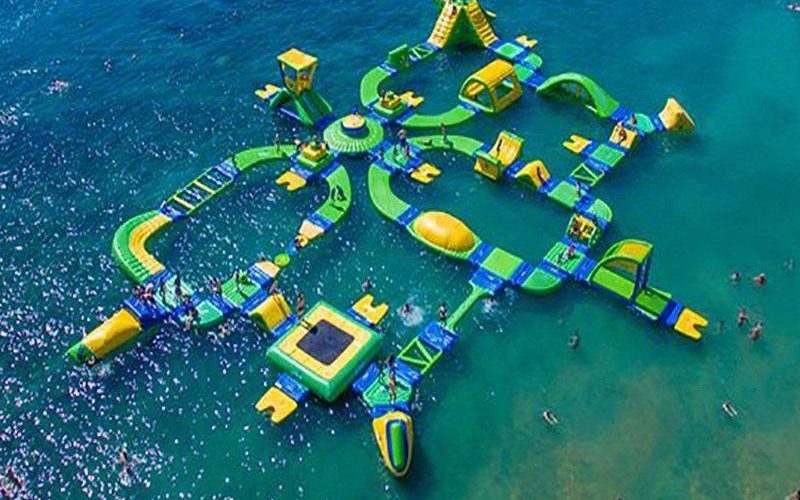
For commercial operators, maintaining an inflatable water park is just as important as choosing the right equipment. A well-maintained park not only lasts longer but also helps reduce downtime, improve visitor experience, and protect the original investment.
Commercial inflatable water parks are designed for repeated use in demanding outdoor environments. However, even high-quality equipment requires proper care throughout the operating season.
Regular maintenance helps operators identify problems early, improve safety, reduce unexpected repair costs, and ensure the attraction remains ready for visitors.
Many operators focus heavily on the initial purchase and installation but underestimate the importance of daily care and long-term maintenance. In reality, proper maintenance is one of the most important factors affecting the performance and lifespan of a commercial inflatable water park.
This guide explains the key maintenance practices that help commercial inflatable water parks remain safe, durable, and reliable for years of operation.
Why Regular Maintenance Matters
Commercial inflatable water parks operate in challenging outdoor conditions.
Throughout the season, equipment is exposed to:
- UV sunlight
- Water and moisture
- Frequent visitor activity
- Dirt and debris
- Weather changes
- Repeated inflation and deflation
Over time, these conditions can affect materials, seams, connection points, and anchoring systems.
Regular maintenance helps operators:
- Detect small problems early
- Reduce repair costs
- Improve equipment lifespan
- Maintain visitor safety
- Avoid unexpected closures
A few minutes of inspection each day can prevent much larger problems later.
For more information about long-term durability, see our guide on How Long Does a Commercial Inflatable Water Park Last?
Perform Daily Inspections Before Opening
A daily inspection should be part of every commercial inflatable water park’s operating routine.
Before allowing visitors to enter, operators should check the following areas.
Inflatable Condition
Inspect the surface for:
- Visible damage
- Small tears
- Loose seams
- Unusual air pressure changes
- Areas with reduced firmness
Small problems are usually much easier to repair when discovered early.
Connection Points and High-Use Areas
Certain areas receive more stress because visitors interact with them repeatedly.
Pay particular attention to:
- Climbing sections
- Slides
- Connection areas between modules
- Handles
- Entry and exit points
These areas should be inspected frequently because repeated use can gradually create wear.
Anchoring System
The anchoring system is one of the most important safety components of a water park.
Operators should inspect:
- Anchor connections
- Mooring lines
- Connection points
- Signs of unusual movement
Weather conditions, water levels, and daily visitor activity can all affect anchoring performance.
A proper inspection routine is also an important part of safe water park operation. For more information, see our guide on Are Commercial Inflatable Water Parks Safe?
Keep the Inflatable Surface Clean
Cleaning is an important part of maintaining both appearance and durability.
During daily operation, inflatable water parks can collect:
- Dirt
- Leaves
- Sand
- Sunscreen residue
- Organic materials
- Other debris
Regular cleaning helps:
- Maintain a professional appearance
- Reduce surface wear
- Prevent slippery areas
- Improve visitor experience
Operators should use suitable cleaning methods and avoid harsh chemicals that may damage PVC materials over time.
Drying and Moisture Management
Proper drying is especially important when preparing equipment for storage.
Moisture trapped inside folded sections can contribute to:
- Mold growth
- Unpleasant odors
- Material deterioration
Before storage, operators should ensure the inflatable is:
- Completely cleaned
- Fully dried
- Properly deflated
- Carefully folded
Taking extra time during this process can significantly improve long-term equipment condition.
Repair Small Issues Before They Become Major Problems
One of the most common maintenance mistakes is delaying minor repairs.
A small issue such as:
- A damaged seam
- A loose connection
- A small tear
- A worn area
may seem insignificant at first, but continued use can make the problem much larger.
Small Problems Are Easier to Fix Early
In commercial operation, equipment issues usually do not appear suddenly. They often develop gradually through repeated use, weather exposure, and daily wear.
Regular inspections allow operators to identify these problems before they affect operation.
A good maintenance program includes:
- Regular inspections
- Quick identification of damage
- Proper repair procedures
- Maintenance records
Keeping repair records also helps operators understand which areas receive the most wear and may require additional attention.
Off-Season Storage Tips
For many Canadian operators, inflatable water parks are seasonal attractions. Proper off-season storage is one of the most important factors affecting long-term performance.
This is especially important for operators in colder regions of Canada, including Alberta, Ontario, and British Columbia, where winter conditions require proper preparation before storage.
Before storing the equipment:
Clean Thoroughly
Remove:
- Dirt
- Sand
- Leaves
- Organic materials
- Water residue
Dry Completely
Never store an inflatable while moisture remains inside folded areas.
Complete drying helps prevent:
- Mold
- Odors
- Material deterioration
Store Properly
Recommended storage practices include:
- Keeping equipment in a dry environment
- Protecting it from sharp objects
- Avoiding excessive pressure on folded sections
- Following manufacturer recommendations
Poor storage practices can reduce equipment lifespan even when the park is not operating.
Maintain Supporting Equipment
Maintenance should not focus only on inflatable modules.
Other components also require regular attention, including:
- Anchoring equipment
- Connection systems
- Safety accessories
- Repair materials
- Storage equipment
A commercial water park is a complete operating system, and every component contributes to safe and efficient operation.
Train Staff on Maintenance Procedures
A good maintenance program depends on trained employees.
Staff should understand:
- Daily inspection procedures
- Basic cleaning methods
- How to identify potential issues
- When damaged equipment should not be used
- Emergency procedures
Clear responsibilities help ensure maintenance tasks are completed consistently.
Many operational problems happen not because equipment quality is poor, but because inspection and maintenance procedures are not followed properly.
Common Maintenance Mistakes to Avoid
Several mistakes can reduce the lifespan of a commercial inflatable water park.
Ignoring Small Damage
Minor problems can become major repairs if left untreated.
Using Incorrect Cleaning Products
Some chemicals may damage PVC materials or affect surface performance.
Poor Storage Preparation
Storing equipment without proper cleaning and drying can create long-term problems.
Skipping Regular Inspections
Even equipment that appears fine should be inspected regularly because wear is not always visible immediately.
How Maintenance Affects Equipment Lifespan
Maintenance is one of the biggest factors influencing how long a commercial inflatable water park can operate successfully.
Proper care helps protect:
- Materials
- Seams
- Connection points
- Anchoring systems
- Overall appearance
Operators who follow consistent maintenance procedures usually experience fewer unexpected repairs and better long-term performance.
This is especially important for seasonal businesses in Canada, where proper preparation before and after each operating season can significantly affect equipment condition.
Choosing the Right Location and Operating Conditions
Maintenance begins before the park even opens.
The installation environment can influence how much care the equipment requires.
Factors such as:
- Water conditions
- Sun exposure
- Wind
- Seasonal weather
- Available storage space
should all be considered during project planning.
Choosing a suitable installation location helps reduce unnecessary wear and supports more efficient operation.
For more information about selecting a suitable site, see our guide on Where to Build a Commercial Inflatable Water Park in Canada?
Final Thoughts
Maintaining a commercial inflatable water park is not a complicated process, but it requires consistency and attention to detail.
The most successful operators understand that maintenance is not simply a repair activity—it is an important part of running a safe, reliable, and successful attraction.
By performing daily inspections, cleaning regularly, repairing issues early, and preparing equipment properly for seasonal storage, operators can improve equipment performance and protect their investment for many years.
A well-maintained inflatable water park provides a better experience for visitors while helping businesses operate more efficiently throughout the season.