
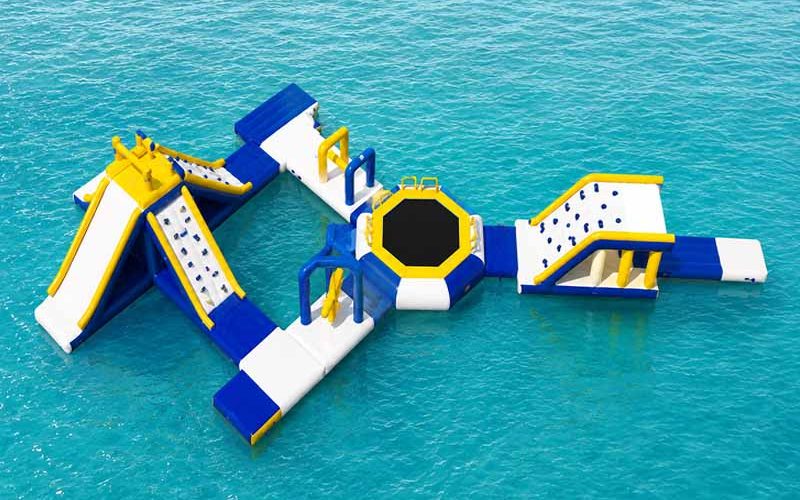
For many campground owners, resort operators, and tourism businesses, an inflatable water park is more than just a recreational attraction—it can become an additional source of seasonal revenue.
With thousands of lakes, popular summer destinations, and a strong outdoor recreation culture, Canada provides many opportunities for businesses looking to add family-friendly water activities.
However, one of the most common questions investors ask before starting a project is:
“Is an inflatable water park profitable?”
The answer depends on several factors, including location, visitor demand, operating season, pricing strategy, park size, and operating costs.
A successful inflatable water park is not created by simply purchasing equipment and placing it on the water. Profitability comes from choosing the right location, designing the right attraction, understanding your customers, and creating an efficient operating plan.
This guide explains how commercial inflatable water parks generate revenue and what factors influence profitability in the Canadian market.
Why Inflatable Water Parks Can Be a Good Business Investment
Compared with traditional permanent water attractions, commercial inflatable water parks often provide a more flexible investment option.
Some advantages include:
- Lower construction requirements
- Faster installation compared with permanent attractions
- Flexible park sizes and layouts
- Ability to expand over time
- Strong appeal to families and tourists
- Seasonal revenue opportunities
For many operators, an inflatable water park works best as an addition to an existing business rather than a completely new standalone operation.
Examples include:
- Campgrounds adding activities for guests
- Resorts improving summer experiences
- Beaches creating paid recreational attractions
- Tourism operators offering new family activities
- Municipal recreation areas increasing visitor engagement
A well-planned water park can help businesses increase visitor satisfaction, encourage longer stays, and create additional income opportunities during the busy summer season.
How Do Inflatable Water Parks Generate Revenue?
A commercial inflatable water park can generate revenue through several different business models.
Daily Admission
The most common model is charging visitors for access to the water park.
Pricing may depend on:
- Location
- Park size
- Operating time
- Local competition
- Visitor demographics
Popular tourist destinations may support higher pricing because visitors are already looking for paid recreational activities.
Season Passes and Memberships
For locations with a strong local customer base, season passes can provide predictable revenue.
This model works especially well for:
- Lakeside communities
- Family recreation areas
- Municipal attractions
Season passes also encourage repeat visits throughout the summer.
Group Bookings and Events
Many successful operators increase revenue by offering special packages for:
- Summer camps
- Schools
- Birthday parties
- Corporate events
- Community groups
Group bookings can help maximize attendance during weekdays or less busy periods.
Packages With Existing Businesses
For campgrounds and resorts, an inflatable water park can become part of a larger customer experience.
Examples include:
- Accommodation + water park packages
- Family holiday packages
- Resort activity bundles
This approach allows businesses to increase the overall value of each customer.
What Factors Affect Inflatable Water Park Profitability?
Profitability depends on more than the equipment itself.
Several key factors determine whether a project performs well.
Location and Visitor Demand
Location is often one of the most important factors.
A smaller water park in a busy tourism area can sometimes outperform a larger park in a location with limited visitors.
Important considerations include:
- Local population
- Tourist traffic
- Campground occupancy
- Nearby accommodations
- Competition
- Accessibility
In Canada, regions with strong summer tourism, including parts of Ontario, Alberta, and British Columbia, can provide attractive opportunities for seasonal attractions.
For more information about choosing the right site, see:
Where to Build a Commercial Inflatable Water Park in Canada?
Operating Season
Canada’s climate makes season length a major factor in profitability planning.
Most outdoor inflatable water parks operate during the warmer months, meaning operators need to maximize revenue during peak season.
Important considerations include:
- Summer weather conditions
- Local tourism periods
- School holidays
- Water temperature
- Regional climate
In provinces with colder winters, proper planning is especially important because the annual operating window is limited.
Park Size and Visitor Capacity
A larger park does not automatically mean higher profits.
The ideal size depends on:
- Available water area
- Expected visitor numbers
- Investment budget
- Target customers
- Future expansion plans
A properly designed park can provide better returns than an oversized attraction that does not match local demand.
For more information about planning the right design, see:
How to Choose the Right Inflatable Water Park Layout
Understanding the Main Investment Costs
Before calculating potential revenue, operators should understand the complete investment.
Common costs include:
Equipment
This includes:
- Inflatable modules
- Connection systems
- Anchoring equipment
- Safety accessories
The investment depends on the size, design, and complexity of the park.
Shipping and Installation
For Canadian projects, logistics should also be considered.
Costs may include:
- International shipping
- Transportation
- Installation support
- Site preparation
Operating Expenses
Daily operation may include:
- Staff wages
- Insurance
- Maintenance
- Marketing
- Cleaning supplies
- Storage
Understanding these costs helps operators create realistic financial expectations.
Example of a Simple Revenue Calculation
Every project is different, but operators can use a simple formula to estimate potential revenue:
Daily visitors × Average ticket price × Operating days = Potential seasonal revenue
Increasing any of these factors can improve revenue:
- More visitors per day
- Higher average spending per visitor
- Longer operating periods
However, revenue alone does not determine profitability.
Operators must also consider:
- Staffing costs
- Insurance
- Maintenance
- Marketing expenses
- Equipment investment
A realistic business plan should evaluate both income opportunities and operating costs.
How Operators Increase Revenue
Successful inflatable water park businesses usually create multiple revenue opportunities.
Add More Visitor Experiences
Operators can increase customer value by offering:
- Larger layouts
- Additional modules
- Family packages
- Special activities
Build Partnerships
Working with local businesses can create new opportunities.
Potential partners include:
- Hotels
- Resorts
- Campgrounds
- Tourism organizations
- Local attractions
Expand Over Time
One advantage of inflatable water parks is flexibility.
Many operators start with a smaller setup and expand as demand increases.
Future additions may include:
- More slides
- Additional obstacle elements
- New challenge areas
- Larger layouts
This allows businesses to grow gradually while managing investment risk.
Is an Inflatable Water Park the Right Business Model for You?
An inflatable water park can be a strong opportunity for businesses that already have:
- Waterfront access
- Seasonal visitors
- Tourism activity
- Family-oriented customers
- Suitable operating space
It is especially attractive for:
Campgrounds
A water park can improve guest experience and encourage longer stays.
Resorts
It can become a major summer attraction for families.
Municipal Recreation Areas
It can create new community activities and tourism opportunities.
Tourism Operators
It can provide a unique attraction that differentiates a destination.
However, every project should begin with careful evaluation of location, costs, regulations, and expected demand.
Common Mistakes That Affect Profitability
Many investment problems happen because operators focus only on equipment costs.
Common mistakes include:
- Choosing a location without enough visitor demand
- Underestimating operating expenses
- Selecting the wrong park size
- Ignoring maintenance requirements
- Failing to plan marketing activities
- Not considering future expansion
A successful inflatable water park requires both a quality attraction and a well-planned business strategy.
Choosing the Right Inflatable Water Park Manufacturer
Selecting the right manufacturer is an important part of creating a successful project.
A reliable manufacturer should provide support with:
- Layout planning
- Equipment selection
- Site considerations
- Long-term operation
- Maintenance guidance
At 365Inflatable Canada, we work with campgrounds, resorts, tourism operators, and waterfront recreation businesses across Canada to develop commercial inflatable water park solutions based on real project conditions and business goals.
Final Thoughts
So, how profitable is an inflatable water park in Canada?
The answer depends on the decisions made before the park opens.
A successful project combines:
- The right location
- Strong visitor demand
- Suitable equipment design
- Effective operations
- Proper maintenance
- A clear revenue strategy
For many Canadian businesses, an inflatable water park can provide an attractive seasonal revenue opportunity while creating memorable experiences for visitors.
The most successful operators do not simply invest in equipment—they invest in a complete attraction designed around their customers, location, and long-term business goals.